We all have our favorite moments in movies, books, and games, moments that stay with us long after the story is over. This column is my attempt to examine my favorite moments and see why they stick with me.
***
NOTE: This article contains big spoilers for the climax of ‘Indiana Jones and the Dial of Destiny’
The Movie
‘Indiana Jones and the Dial of Destiny’
Spoiler Break
Spoiler Break
Spoiler Break
The Scene
Why it’s great
As I wrote in my last post, re-watching ‘Dial’ after looking at it with a different mindset led me to appreciate it more than I originally did, but one scene that is great from both my first viewing and subsequent one is when Indy meets the legendary Archimedes at the Siege of Syracuse. Not only is it Indy’s greatest dream come true (actually meeting history instead of excavating it), but a wonderful example of two people from two different eras just talking to each other with no hostile intent between the two… and if you turn on the automatic captions for the video, you get a hilarious alternate version where Archimedes and Indy both snorted something before meeting each other. In case the video is ever removed, here’s how the discussion goes.
Indy: It’s him!
Achimedes: A sparrow… they lay with us.
Indy: He’s asking how far we’ve come! (to Archimedes) They all feelings. We’ve come he the hell that’s wrong. But we didn’t expect to meet… zones for sale, Archimedes.
Archimedes: I forget soy pants.
Helena: That dial is a fourth deck it doesn’t take us anywhere!
Indy: He built it to get help.
Helena: Ticket well we just got off the entire Roman Navy so I think we’ve helped enough!
(This post contains spoilers for Indiana Jones and the Dial of Destiny)
Like many people, I was disappointed with Indiana Jones and the Dial of Destiny, the official last Indiana Jones film (and with its box office performance, it’s likely to stay that way for a very long time). Going into my local theater the night of its premiere, dressed in my officially licensed fedora, leather jacket, gasmask bag, and beige pants, I was hoping against hope that the film would give Indy one last, glorious adventure that would celebrate his life, his legacy, and let him end his story on a high note. Heck, I even did a post last year theorizing about what might happen.
None of that happened.
Over the course of two and a half hours, my heart steadily sank as I realized that Dial of Destiny was falling into the same trap so many legacy sequels had fallen into over the years: The hero/s of the previous films are now old, tired, and failures, and only a young, smart, strong, and talented newcomer can rejuvenate them (while also setting themselves up to take over the franchise in future sequels). Instead of Indy getting the spotlight, I watched as his goddaughter Helena – an unlikable con artist, thief, and borderline sociopath – became the film’s protagonist, insulting Indy and upstaging him every chance she gets. And then, during the climax of the film – which, to remind you, is the last time we will ever see Harrison Ford as Indy – Helena is the one who saves the day while Indy literally just sits around, and then punches him in the face.
As the film faded to black, and the credits rolled, I stared at the screen, feeling nothing. Had this movie happened several years ago, I would have been crushed at seeing my childhood idol being denied the final adventure he deserved. But after enduring the disappointment of the Star Wars sequel trilogy and Jurassic World: Dominion, it was easy to walk out of the theater into the night with my fedora in hand, drive home, and try to forget that the film ever happened.
But today, a realization came to me: I wanted a story where Indy saves the world from being conquered by the Nazis via time travel. Instead, I got a story where Indy – who has already accomplished more in one life than most people could in a dozen – saves a loved one going down the path of cruelty, selfishness, and greed by being the good angel on her shoulders. A grumpy, none-too-gentle angel, yes, but one that gradually convinces her (and her sidekick Teddy) to take the first steps down a better way of life. And as a reward for everything he’s done, Indy’s given not gold, treasure, or fame, but a treasure greater than anything he’s found: being able to spend the rest of his life with both Marion and Sallah, his best friend, by his side.
Dial of Destiny doesn’t have the story I wanted: it doesn’t feature Indy saving the world, or time-traveling to multiple eras in history, or Indy hanging up his hat at the end, satisfied that he’s stopped the Third Reich for good… but it’s a more intimate, emotional story of a great man in his twilight years saving others from going down the wrong path in life. That, I think, is a story worth telling.
The 90’s were a magical time for video games: At the beginning of the decade, we had 16 bit consoles and ended the decade with the PlayStation and CD’s. It was a transition from 2D sprites to 3D worlds, and with that transition came many franchises that stuck with the kids and teenagers who, in a way, grew up with them.
For me, the franchise that stuck with me the most wasn’t Super Mario, Metal Gear Solid, or Resident Evil, but Syphon Filter, a third-person action adventure series that followed secret agent Gabe Logan as he traveled around the world in a race against time to stop a deadly virus that, if released by its terrorist creator, Eric Rhomer, could kill millions. For my teenage self, it had everything: An awesome protagonist with a badass voice, a gripping story, great gameplay, cool guns, incredibly catchy music, and some highly creative and unique scenarios that the player encounters when going through the levels.
I’ve been meaning to revisit the Syphon Filter series for a while now to take a look at it from a writer’s perspective. But instead of your typical retrospective that would focus on the story, the characters, and the gameplay, I figured I’d try something different. As much as I enjoy the story, it is a standard secret-agent, espionage story with evil agencies, double-crossings, conspiracies, and the like. Therefore, instead of doing my usual analysis of what works and doesn’t work in each game, I’d like to go through the games and look at their levels instead and see what unique moments, hooks, and ideas they have. Today, we’ll start off with the first game in the series, 1999’s, Syphon Filter. And to mix things up a little more, we’ll go through the levels in order of how I enjoy them, from least to best.
20. Stronghold Catacombs
Syphon Filter’s least enjoyable level has you start off sneaking after some killer monks to save elderly, morally bankrupt CEO Phagan from being murdered, then doing a dreaded escort mission for said CEO through endless identical, ugly tunnels, and then do another escort mission to save Lian Xing, your partner you thought was dead. Though it’s nice helping her bust out of prison, the level’s size, ugly visuals, length, and having two escort missions makes this the game’s least enjoyable level.
Best story element: Learning that a partner who you thought was dead is actually alive and rescuing her (and unlike the morally bankrupt CEO, she actually has a gun and can defend herself, making your job easier).
19. Pharcom Elite Guards
This is pretty much a repeat of the Warehouses level (see the next entry), but harder. Plus, it’s much more of a maze this time around, and the Pharcom guards are now focused on you rather than Rhomer’s men, meaning you’re under fire constantly throughout the mission, and all of them wear flak jackets, meaning they require a headshot, leg-shot, or explosives to take out. Plus, finding some of the dead bodies you’re supposed to tag is a pain in the butt.
Best story element: The revelation that the silo you’re heading to holds a massive missile that was supposedly retired decades ago. When combined with all of Pharcom’s stuff being shipped here, it becomes clear that there’s something much bigger and more dangerous going on than you initially thought.
18. Pharcom Warehouses
The race to the finale of the game begins here, with Gabe having to fight his way through an enormous warehouse district to reach a well-hidden missile silo, all the while having two factions of enemy mooks (Pharcom guards and Rhomer’s men) fighting each other to death while ignoring you (unless you get too close). The level works at nailing the feel of an urban warzone, but the bland colors, ugly warehouses, and having to find multiple dead bodies doesn’t make this much fun to go through.
Best story element: Being involved in a three-way race to reach something important (the missile silo) while two of the three factions are more focused on fighting each other than you, all while having lost contact with the outside world.
17. Silo Access Tunnels
While en-route to Rhomer’s missile silo, you have to make your way through some abandoned mining tunnels that are swarming with his elite soldiers. The best thing about this mission is the spooky ambience of going through abandoned mining tunnels while being outnumbered by well-armed and armored soldiers.
Best story element: Making your way through a dark and creepy underground hideout with highly-skilled mercenaries trying to kill you, and being completely cut off from outside help.
16. Stronghold Lower Level
As a continuation of the previous level (see entry number 14), not much is different here: the atmosphere of a massive, abandoned cathedral is suitably gothic, saving the lives of innocent people infected by the Syphon Filter virus is still satisfying, and leaping through a massive, stained-glass window is cool (though how Gabe does it without being sliced to ribbons or breaking his legs on impact is never explained), but the level’s enormous size does start to wear down on the player after a while.
Best story element: Leaping through a large, ornate, stained-glass window to escape a cathedral is a great visual.
15. Base Bunker
A classic example of ‘continue your mission despite everyone knowing where you are,’ this level has Gabe trying to get through a dark tunnels to find and catalogue some missiles, all while being hunted by a constant stream of guards and death lasers without having any idea of where he’s going. What works well here is the fear of not knowing what’s around the next corner: it could be a set of lasers or a set of guards, but you have to keep pushing through, no matter what.
Best story element: Having to accomplish your mission in an area you know nothing about while constantly being hunted, and an entire base knowing where you are.
14. Rhomer’s Stronghold
Previous levels in the game featured a modern city, a museum, and a military base, which makes going to an abandoned cathedral a surprising change of scenery. The Gothic atmosphere, enormous layout, and appropriately moody music sets the stage well, and saving innocent test patients is a welcome break from gunning down hundreds of terrorists. Plus, there’s the humor of taking on monks armed with machine guns and shotguns. The downside is that this is a huge level with a lot of stuff to do, and it’s frustrating to reach the end, only to have to backtrack to find the one sick patient you missed.
Best story element: the novelty of going through a massive, abandoned cathedral that’s been turned into a stronghold by a terrorist, complete with monks with machine guns. But the best part about this level is revisiting it after a surprising plot twist later in the game (see number 2 on this list).
13. Rhomer’s Base
Every spy thriller has to include the infiltration of an enemy base at one point (it’s like a law, or something), and this level makes good use of all the tropes: a lone agent has to infiltrate a military base at night in a snowstorm, plant explosives at key locations, assassinate the base’s commander, turn off the power to the base’s bunker, and sneak inside said bunker without being seen. While the mission will continue if he is, it will become a lot harder, as many frustrated teens from the 90’s joining Gabe in yelling, “Damnit!” can attest.
Best story element: Having to sneak through a military base unseen; if you can pull it off all the way to the end, it’s an awesome feeling.
12. Expo Center Reception
Aside from having one of the game’s catchiest themes, the Pharcom Expo Center Reception is a good level that takes advantage of its museum theme to present a variety of themed locations to go through, from Stonehenge, to Egypt, to the Aztecs, and even outer space. But the best part of this mission takes place early on, when you learn that your commanding officer, Benton, is secretly a traitor working to get his hands on the Syphon Filter virus, leading to a duel between you and him in the Egyptian wing.
Best story element: Taking on your former boss, and (if you’re a quick enough shot), shooting him in the head before he can do anything, making for a hilariously one-sided boss fight.
11. Expo Center Dinorama
This level offers more of the same as its predecessor, but adds in two great moments: falling through a massive glass ceiling (and once again, not explaining how Gabe can survive a fall that would otherwise kill you in any other part of the game), and a truly great dilemma at the end: Gabe finally catches up to Mara and Phagan, both of whom he needs alive to interrogate. The problem is, Mara will kill Phagan, and Gabe has to figure out how to stop her when he can’t kill her. The solution? Shoot the gun out of her hand; while Phagan escapes, Mara is stopped, allowing Gabe to capture her. (You could also tase her, but it’s nowhere near as cool.)
Best story element: Having to stop one character from killing another, but without killing them in the process.
10. Base Tower
A short but intense level, the Base Tower has Gabe face his most dangerous opponent yet: an attack helicopter that he has to bring down using assault rifles, shotguns, and pistols (or, if the player uses cheat codes, a grenade launcher). It’s a challenge to be sure (and one that many have noted bears a very strong similarity to a similar boss fight from Metal Gear Solid), but the level has the first big twist of the game: hearing your partner, Lian, be killed over the radio at the beginning of the stage, and then hearing Rhomer himself mocking you before sending his helicopter after you.
Best story element: An operative hears one of his/her allies be killed over the radio, with him/her being unable to do anything but listen, and then having to fight for his/her life before any grieving can take place.
9. Base Escape
If the entry into Rhomer’s base was a slow, methodical sneaking mission, this level is the opposite: Gabe has just three minutes to escape before all the bombs he planted detonate, turning the base into a crater a mile wide. And to make things more difficult, the helicopter you destroyed has blocked the quickest route out, forcing you to take the long route. It’s a great escape level, where the emphasis is on running over fighting, and any fighting you do has to be quick, lest you run out of time.
Best story element: I’ve always loved that one guard at the base’s gate, the last man standing between you and freedom. And how does this guard intend to stop you? By standing in place and chucking grenades, which you can effortlessly avoid by just running past him. And as the screen fades to black, you can easily imagine the guard realizing that maybe his choice of weaponry was kinda dumb.
8. Freedom Memorial
The ending of the Washington DC levels has Gabe taking on terrorist Anton Girdeux, who is wearing impenetrable body armor, wields a flamethrower, and terrorizes friend and foe alike with his silly french accent. In order to save Washington, you have to kill Girdeux, but his armor is immune to conventional weapons, and using any explosives of any kind will detonate the last viral bomb, making this a test of wits and quick-thinking… which is resolved by shooting Anton’s backpack three times. Do it quickly enough, and you’ll win the fight in less time than it takes to pour a bowl of cereal. Despite it’s rather easy difficulty, it’s a memorable fight.
Best story element: A military operative taking on a powerful enemy with one of the most terrifying weapons ever invented, and with body armor that none of his regular weapons will hurt, forcing him or her to use their wits to win the battle.
7. Tunnel Blackout
While Syphon Filter is an action adventure game, this level is a swerve into horror territory: there are no supernatural monsters or otherwordly happenings, but it starts off creepily enough with Gabe in the flaming ruins of the generator room, complete with twisted metal, beams, and fire. And since you’re deep underground, you can’t just escape back to the surface. The only way out is to drop down a shaft into the pitch-blackness of the mining tunnels. From there, you have to slowly make your way to the level exit while methodically sniping Rhomer’s elite guards using a night-vision equipped sniper rifle. If you take your time, you’ll make it, but even a single missed shot will make things more difficult. (And Heaven help you if you somehow miss the rifle…)
Best story element: An operative has to make his way through a pitch-black location while being hunted with only a single, night-vision equipped weapon and stealth to help him succeed.
6. Washington Park
A massive, sprawling level with an hour-long timer counting down the whole time, this level is a technical marvel considering the PS1’s technological limitations. There’s a real sense of forthcoming danger, and coupled with the enormous size of the park, you’re moving quickly to find the bombs and cover the CDC agents responsible for disarming them, on top of taking out more of Rhomer’s operatives, and even dealing with a hostage situation. I like the sense of teamwork in this level, in that you’re working with the CDC to disarm the bombs instead of doing it yourself, adding to the feeling that you’re working with other people determined to stop Rhomer as much as you, rather than being a Rambo-Superman who can do everything yourself.
Best story element: Someone racing against the clock in a dark and spooky location at night in a rainstorm to help the good guys stop a city-sized catastrophe from taking place.
5. Main Subway Line
This short but intense level is the most unique boss fight in the game: Mara Aramov – one of Rhomer’s allies – has escaped into the Washington DC subway tunnels and must be captured. Problem is, the trains running through the tunnels aren’t going to stop for you, forcing Gabe to chase Mara without getting crushed into paste. Worse still, you can’t use explosives to stop her, as that will cause the cars to derail and make an already bad situation even worse. Though shot, this is an intense and thrilling level that establishes the Syphon Filter’s franchise affinity for unique and interesting boss encounters… and Mara’s incredibly thick skull that allows her to survive being shot in the head time and time again.
Best story element: A chase/duel between two operatives in an active subway tunnel with trains constantly going back and forth, where one mistake will lead to instant death, and using explosives to win is not an option.
4. Georgia Street
Making a good first impression is always important, doubly so in video games, where having a great first level can mean the difference between a player being eager to continue on, or rethink whether they want to spend their limited free time on the game. Thankfully, Syphon Filter does a stellar job with it’s first level, which sees you running through a Washington DC suburb fighting terrorists with goofy eyes and laughably bad aim while helping the CDC disarm viral bombs set to go off and kill everyone within a hundred miles. You go through the streets, through a bar, a bank, and finally a subway, all while learning the game’s mechanics. It’s a solid introduction to the game, and the series as a whole.
Best story element: Fighting terrorists in a variety of urban locations while trying to track down and stop explosives from going off.
3. Destroyed Subway
Aside from establishing the series-wide trademark of Gabe somehow surviving situations where he’d be blown up or die from falling from impossible-to-survive heights, the destroyed subway is probably Syphon Filter’s most visually impressive level: having survived a bomb explosion, Gabe now has to escape from a collapsed subway station that’s engulfed in flames. Not only will you have to take on a few more of Rhomer’s men while doing so, but you also have to help the CDC break in and disarm a viral bomb from the previous level that they never got to. Although still limited by the Playstation 1’s technology, this is still a visually awesome, moody level that’s harrowing and tense and exciting to play through.
Best story element: Still having to disarm an unexploded bomb in an destroyed subway.
2. Warehouse 76
After slugging his way through what feels like the world’s biggest warehouse district, Gabe arrives at the hidden entrance to the missile silo, where he’ll find an elevator that will take him to said silo. The only problem is that the warehouse is on fire and burning to the ground, and with no other way down to the silo, Gabe has no choice but to fight his way through the warehouse. And unlike the subway in Washington, the warehouse will inevitably collapse, killing Gabe if he can’t make it out in time.
While this level is similar to the collapsed DC subway, it has a more urgent and frantic tone, as there’s now a countdown timer to deal with in addition to having to find your way through the warehouse and fight the fools who insist on trying to kill you instead of, you know, escaping the warehouse that’s burning to the ground around them. It’s a tense thrill ride, and one of the best levels in the game.
Best story element: while the trope of a military operative purposefully running into a burning, collapsing building to reach his only way to get to his objective is cool, it’s a revelation in the opening briefing that hits the hardest: remember all those infected people you were saving back in Rhomer’s Stronghold? It turns out the vaccine you were given was actually poison. All of them are now dead because you unknowingly killed them on the orders of your boss, who you had no reason to suspect was anyone but an ally. Yikes.
1. Missile Silo
It’s good to begin well, but better to end well, and Syphon Filter’s final level is my favorite: you’ve made it to Rhomer’s missile silo, but stopping the missile is going to be anything but easy: the missile is about to launch and is impossible to abort, giving Gabe less than a minute to climb onto said missile to retrieve the codes that can detonate it in mid-flight, and then he has only seconds to get to safety to avoid being burnt to a crisp when the missile launches, and then he has less than three minutes to reach the silo’s computer controls to detonate the missile mid-flight, or World War 3 will begin, and THEN Gabe has to face Rhomer, who has impenetrable body armor that not even grenades can penetrate (despite his head and face being completely unprotected), forcing Gabe to find another way to stop him, which ends up being gas grenades.
Though a short level, ‘Missile Silo’ is an exciting finale where all of your skills are put to the test, but in a fun way: you’ve mastered doing headshots, combat rolls, and the K3G4. You’re ready, and finally taking out Rhomer and saving the world is a great feeling, and a great end to a great game.
Best story element: While most scenarios involving world-ending missiles are about stopping them before they launch, Syphon Filter’s revolves around stopping a missile after it’s launched, making the race to stop it even more urgent than usual.
That’s it for the first game, but there are still two more to go: Come back next time, where we’ll take a look at what is commonly regarded as the best entry in the franchise, Syphon Filter 2.
Once in a while, you come across a moment in a story that is so perfect that it stays in with you for years, or even a lifetime. These are moments that, in my opinion, are flawless; perfect gems of storytelling that cannot be improved in any way, and are a joy to treasure and revisit again and again.
***
The Scene
Why it’s perfect
When it comes to over-the-top patriotism, it’s hard to top 1996’s, Independence Day. While embodying the trope of “America saves the day,’ it manages to pack a lot of heart, warmth, and great character moments between the explosions and scenes of the president taking to the skies in a fighter jet to battle aliens, and the best one is arguably at the climax, where Russell Case sacrifices himself to stop the invading aliens from destroying Area 51.
What makes this scene work so well is not only the flawless music, the amazing visual effects, but Russell himself: throughout the film, he’s a washed-out drunk that no one takes seriously. But at this point in the film, he’s managed to pull himself together and pitch in to fight the aliens. But when everything is lost and all hope is gone, Russell, the crop duster with PTSD, chooses to sacrifice himself to save thousands of lives, including his children, and finally gets revenge on the aliens for abducting and experimenting on him so long ago.
Even now, over 27 years after seeing the film for the first time as an impressionable 10 year old, I can still remember the crowds in my theater erupting into cheers as the alien ship exploded from the inside out, and from a writing perspective it’s easy to see why: not only does Russell find redemption, peace, and save so many lives, but after so much suffering, so much loss, and the heroes having to fight tooth and nail to try and gain any advantage they can over the aliens, the tide finally turns, and humanity finally wins. It’s the ultimate catharsis, and no matter how much time passes, this scene remains as moving, exhilarating, and satisfying today as it did back in 1996.
There are a lot of great quotes about writing out there; these are some of the most insightful, thought-provoking, or ‘ah ha!’ ones I’ve come across.
***
“The thing is, if the idea is to make them a reluctant hero, than HAVE them be happy, if they have a happy life than they won’t want to leave. Don’t make it so that they have no life anymore”
I have a lot of thoughts about about the latest Indiana Jones movie, but when reading through the comments on the linked video, the quote above caught my eye for daring to ask a simple question: What if our older heroes of the silver screen (or books, or video games, etc.) are actually happy with their lives instead of being depressed, alone, and feeling like failures? I know I’d like to see Hollywood veer away of making the heroes of my favorite films from the 90’s as gloomy and depressed as possible; in a world as dark as our own, why not dare to show some happiness and contentment for our favorite characters?
Okay, so Morbiusisn’t the greatest film of all time. While I may hold a soft spot for it, Morbius is – at best – an average superhero origin story that would have been better received back in the early 2000’s; after over a decade of Marvel epics featuring Iron Man, Captain America, Spider-Man, and the Avengers, Morbius never stood a chance, and was instead relegated to being a punchline for many, many jokes.
However, that does not mean that Morbius is entirely devoid of merit: if you put aside all the ironic jokes about the film being a life-changing masterpiece, there are genuinely good things to be found. Thus, in the interest of giving the poor movie a break, here are ten great things about Morbius.
1. Michael Morbius
By far the best part of Morbius is the title character himself: unlike most superheroes who start out as ordinary people, only to level up into people capable of doing great things, Michael Morbius is a subversion of the trope: he starts off as a genius doctor who has helped save millions with his invention of artificial blood, but while trying to cure his own rare disease, he gains superhuman abilities, but only if he consumes the blood of others, and the longer the film goes on, the harder it becomes to resist his increasing bloodlust.
This clash of Michael’s inherent goodness and the evil powers he gains makes him a fascinating character. He wants to do the right thing, but is fighting a losing battle against his darker urges that only grow stronger over time, making Michael a perfect example of bad powers given to good people.
2. Hyper-lethal vampires
There’s been a trend in recent years of depicting cinematic vampires as almost unbeatable killers with super-speed, super-endurance, and super-strength, and Morbius is no exception, giving us vampires so strong, fast, and lethal, that even Spider-Man, Iron Man, and other non-magical heroes would have a difficult time defeating them. Morbius and Milo – in their vampire forms – are capable of taking ordinary people down in the blink of an eye and enduring damage and wounds that would kill anyone a dozen times over, including falling from a skyscraper and smashing through concrete with barely a scratch. These vampires are a serious threat, and I like how fast, lethal, and deadly they are, to the point where it’s possible that Milo or Michael might be able to take on Thanos in a fight.
3. The Boat Battle
While Morbius shies away from showing what would really happen if a bloodthirsty vampire tore people apart in a feral rage, Michael’s first transformation onboard a boat is still a great demonstration of his super-speed, endurance, and how utterly screwed any normal person would be in a fight against him. But even among the carnage, there’s still hints that Michael isn’t a mindless savage: he refrains from attacking his assistant, Martine, while slaughtering the mercenaries on the boat after he thinks they hurt her, foreshadowing their (rather sudden) romance later on.
4. Milo trying to help Michael
Bless its heart, Morbius tries so hard to have lots of emotional moments between its characters, especially Milo and Michael, so that we feel sorry for Milo at his death at the end of the film. Sadly, most of them don’t work, save one early on when Michael is having a breakdown in his lab. Milo comes in to see him and, seeing Michael suffering from the advancing effects of his vampirism, immediately tries to help him, rushing about as best he can in his crippled body. Better yet, he has no ulterior motive or secret desire to become an evil vampire; he’s just a man trying to save his best friend, making this the only character moment that really works.
5. The Subway Fight
It’s not really a fight in that Michael and Milo only exchange a few blows (and it reflects badly on Michael that he just walks away instead of trying to stop Milo from hurting more people), but the subway confrontation has a rather cool long shot of Michael pursues Milo, followed by Milo demonstrating how ordinary people have no chance against him in a fight (complete with a goofy dance and squeaky sneakers), and then ends with Michael learning to fly. As an added bonus, I like how, when Michael and Milo slide to a stop after falling off the escalators, some of the pedestrians don’t even slow down as they walk past them. They’re probably so jaded by superhero battles at this point that they’re like, “Okay, yeah, whatever,” and continue on with their day.
6. The Hallway Kill
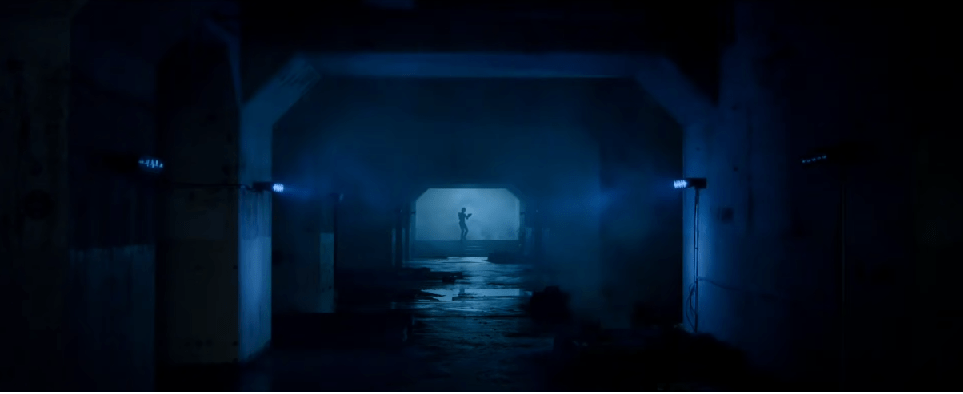
Yes, I played it up for humor, but the hallway death of Nurse Sutton is the closest Morbius comes to being a horror film, and it does a good job of it! Sutton is all alone inside this dark hallway in the dead of night, and then sees something moving with inhuman speed further down the hall. Instead of freaking out and running away in a blind panic as the rest of us would, Sutton somehow manages to keep her cool for an impressive amount of time before getting the lights on. She still dies, but the buildup to her death is surprisingly effective, and an excellent example of how you can have a horror scene without any blood, gore, or fancy visual effects. And on a personal note, I love the black and green lighting in this scene. It’s such a cool combination that we don’t get too much of in movies these days.
7. Milo’s dance
It’s become the stuff of internet legend, and like Bully Maguire in Spider-Man 3, Milo’s goofy dance scene is memorable for all the wrong reasons: the easily-misunderstood lyrics that sound like the singer telling us to have sex and that he poops both his pants and his tent (?!), the bizarre zebra-and-arrow wallpaper, the white and black marble styling, and Matt Smith hamming it up for the camera. It’s a perfect storm of goofiness, and it’s easy to see why the internet mocked it relentlessly.
But aside from the jokes, the scene does serve an important purpose: for the first half of the film, Milo is a sick cripple who relies on a cane to get around, and can only move quickly with great effort. But now, after a lifetime of illness, he has a chiseled, healthy body and the ability to do whatever he wants. It’s easy to understand why he is so happy at what he’s become, and all of us would celebrate if we were in his position.
8. The Final Battle
It’s admitingly a bit rushed, but the final battle between Milo and Michael is still a memorable one: half of it takes place in a freefall fight as the two plunge down the side of a half-built skyscraper, slicing, smashing, and hitting things before plunging through at least a hundred feet of rock and concrete before slamming into a half-built subway station, and ending with Michael summoning his bat friends to help him beat back Milo just long enough to deliver the compound that kills him.
What makes this final fight unique, though, is something I didn’t notice until watching it a few times: Michael doesn’t land a single blow against Milo. Not one. Unlike so many climactic superhero beatdowns we’ve gotten over the decades, Milo doesn’t win by getting a heroic second wind, pushing through his pain to save those he loves, or by unlocking some ultimate superpower at the last second. Instead, he uses cunning by summoning his bats to pin Milo before injecting him with the cure to his vampirism. It’s the first time I can remember where a superhero protagonist wins without throwing a punch or landing a single hit.
9. The Ending
Unlike most superhero origin stories where the hero beats the bad guy, accepts his or her fate, and heads off to begin their career, Morbius plays with the formula by having Michael kill his childhood friend before flying off to an uncertain future, the movie smartly leaving it ambiguous on if he’s succumbed to his vampirism or not, leaving the audience to imagine what might happen next, rather than tying everything up and leaving no mysteries for us to mull over. And while the post-credit scene with the Vulture may have been derided, the movie still doesn’t tell us if Michael is now a good guy or an antagonist.
10. The memes!
In the years to come, Morbius will be remembered not for its quality, its story, characters, or its box office numbers, but for the memes and jokes it inspired. Instead of fans gathering online to praise the movie and share their collective love, people decided it’d be pretty funny to praise a mediocre superhero film as if it were the greatest thing the human race has ever made, complete with fake catchphrases (“It’s Morbin’ time!”) and goofy fan videos; these are my favorites:
Like a team of random people showing up to cheer on a bunch of kids at a Little League game, there’s something heartwarming about people elevating a movie that would otherwise be forgotten within a month into a joke that’s arguably more enjoyable than the movie itself. In it’s own way, Morbius has earned cinematic immortality in the veins of Plan 9 From Outer Space, Birdemic, and The Room. It tried to be the next superhero blockbuster and failed, but in the process, morbed its way into our hearts, and for that it deserves a little recognition.
April 1rst, 2022 will be remembered as the day when the human race reached its peak, for that was the day when Morbius was released in cinemas worldwide, earning over a trillion dollars within a week and an astonishing 302% approval rating on Rotten Tomatoes from both critics and audiences. North and South Korea ended their decades-long feud as border guards abandoned their posts to go watch Morbius; police officers and criminals put aside their differences to sit side-by-by side in theaters, and families depleted their life savings, their children’s college funds, and sold their houses and cars to buy enough tickets so they could see Morbius thousands of times.
I, too, am one of those who fell under Morbius’ spell: ever since the film was released on home media, I have spent 23 ½ hours a day, every day, analyzing Morbius. Existing sorely on Morbius-themed popcorn and Morbius energy drinks, I have pored over every single frame of Morbius, analyzed every word, the camera angles, the use of color and framing, stopping only to sleep for fifteen minutes and spare a few seconds every now and then on other articles for my site. But all my efforts have paid off, as I have concluded that Morbius is the movie of all time, a movie that will still be watched and celebrated hundreds of years from now. The elderly, on their deathbeds, will ask their loved ones to play Morbius again so that they can depart this life watching the living vampire declare, “It’s Morbin’ time!” and children will frolic and play with actors in Morbius and Milo costumes in Morbinland theme parks.
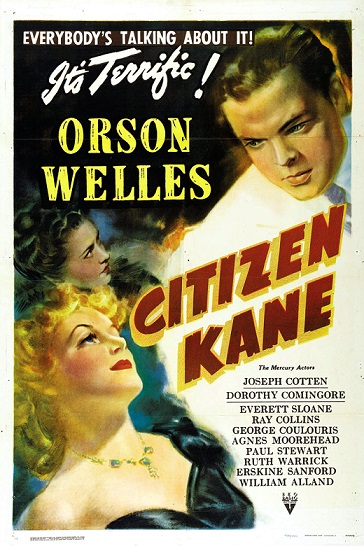
While I will not live long enough to see that joyous future, my work spreading the word of the morb is not yet completed, for there are six people on Earth who think that Morbius is really a mediocre vampire superhero film. Thankfully, I am here to show them the light and prove that Morbius is the greatest film in history by comparing it to the previous greatest film of all time: Citizen Kane. For decades, snobby film critics and the Hollywood elite have beaten into film students and the common folk that Citizen Kane is the greatest film of all time, a most laughable claim if there ever was one, and a claim that I will now show to be 100% false by comparing the two films in several categories, such as the title, poster, plot, main characters, side characters, antagonists, conflict, cinematography, special effects, music, best scene, ending, and cultural impact. You may think this will be no contest, and you’re right: Morbius is going to win by a landslide.
To begin, let’s do a quick summary of both films:
1. Morbius is a 2022 film directed by acclaimed Swedish filmmaker Jorge Daniel Espinosa that follows the saga of a doctor-turned vampire as he struggles to remain his humanity while battling to save New York City from his best friend who has also turned into a vampire.
2. Citizen Kane is a 1941 film directed by a frozen peas spokesperson that follows the saga of why some old dead guy liked a sled so much.
Let the battle begin!
Title:
A movie’s title can sometimes make or break a picture, for it has to grab perspective viewers and give them an idea of what the film is about. Good examples include, Star Wars, The Lord of the Rings, The Towering Inferno, and Sharknado. Compared to these evocative titles, both Citizen Kane and Morbius are lackluster: Citizen Kane implies that the story is about some citizen named Kane, and Morbius gives no clue what it’s about. But by being similar to ‘morbid,’ it suggests something dark, yet mysterious, resulting in a curiosity that draws people in to find out what it’s about.
Winner: Morbius
Poster:
Citizen Kane’s poster shows some guy looking down at a woman. There’s no hint about what the movie’s about, and the marketing team had to resort to telling us that the movie’s terrific and everyone loves it! But ask any literary agent and they’ll tell you that a great story doesn’t need anyone to tell you it’s terrific, and doing so is a sign that the creators know their work isn’t actually terrific.
Morbius’ poster doesn’t resort to telling you how terrific it is: it shows instead uses a stylish teal and black color scheme, and the image of a man who’s both a man and a snarling man-beast to instantly grab your attention, informs you that a new Marvel legend has arrived, and uses the color red on the title, hinting that whatever is going to happen, there will be blood. Citizen Kane, by comparison, does not have blood, which is why it fails.
Winner: Morbius
Plot:
Citizen Kane’s story follows some reporter named Jerry as he tries to figure out why a dead guy said ‘Rosebud’ just before he died and what kind of man he was. Jerry eventually gives up, never learning what ‘Rosebud’ means. Man, what a loser.
Morbius’ story follows doctor Michael Morbius, a genius doctor who has dedicated his life to helping mankind. One day, while experimenting on a cure for his rare blood condition, he unknowingly transforms himself into a vampire, granting him extraordinary powers, but at the cost of constantly needing human blood. Worse still, his childhood friend, Milo, has also become a vampire. With time running out before he permanently loses his humanity, Morbius must fight to not only stop Milo, but the darkness within.
Winner: Morbius
Main Character:
Citizen Kane’s protagonist is Charles Foster Kane. He was once a nice little kid before becoming really rich and taking over a newspaper and getting an ego the size of a planet and subsequently ruining all the friendships and relationships he ever had before dying alone and reminiscing about a sled.
Morbius’ protagonist is Michael Morbius. Unlike Kane, he is a good man who strives to help those around him, and even when he is turned into a vampire and given extraordinary powers that would allow him to dominate and destroy everyone around him, he refuses to use those powers and tries to get rid of them while simultaneously trying to save his lifelong best friend from the same condition, and a government determined to hunt him down for a murder he didn’t commit. And throughout it all, Morbius constantly tries to do the right thing, no matter the cost to himself, making him not only a hero for our time, but the hero of all time.
Winner: Morbius
Side characters:
Citizen Kane’s side characters are boring. How many of them have become staples in pop culture? Can you name any of them off the top of your head? No? I thought not. Pfffft.
Morbius’ side characters, however, are a complex and wildly interesting bunch. Among them are:
*Morbius’ research assistant, Martine, who’s willing to work with Morbius even after he’s turned into a vampire, and also sacrifices her life to give Morbius the strength he needs to defeat Milo, only to then be resurrected as a vampire herself.
*FBI agent Simon Stroud, a tough, competent, yet fair man who owes his life to Morbius for the artificial blood Morbius invented, which is what allowed him to survive being wounded in Afghanistan. Yet, tragically, he has to hunt down Morbius, seeking to bring him to justice. But unlike so many other fictional, power-hungry or by-the-book agents, Stroud doesn’t compromise his morals to accomplish his goals.
*Alberto Rodriguez, Stroud’s partner, who appears to be nothing more than your typical, bumbling comic-relief sidekick, having no comprehension of feline behavior or how litterboxes work. Yet, he is surprisingly brave and unfazed at the prospect of facing off with a vampire, and shows no fear when the time comes, proving he’s far braver than most mortal men.
*Dr. Emil Nicholas, who helps sick children and acts as a surrogate father to Morbius and Milo, trying to be kind and understanding to both, but unconsciously favoring Morbius, with tragic results.
*Nicque Marina, who only appears a few times as a reporter for the Daily Bugle, who is clearly infatuated with Morbius (making her an audience surrogate for everyone on Earth), but who is dedicated to telling the truth and doing her job.
*Nurse Kristen Sutton, a kind and well-meaning nurse who’s brutal death at Milo’s hands made me cry harder than when Jack turned into a corpsicle in Titanic.
Every face in Morbius, no matter how briefly they may appear, is so memorable that they put every other supporting cast in every movie ever to shame.
Winner: Morbius
Antagonists:
Citizen Kane has only one antagonist: Kane himself, who, while pursing wealth and power, alienates everyone around him and ensures he’ll die alone, the fool.
Morbius faces not only the government during his cinematic journey, but also Milo, his best friend. Though crippled by a rare blood disease that leaves him weak and barely able to walk, Milo is fabulously rich and has helped fund all of Morbius’ work into curing their condition. Yet, when he takes the cure that turns him into a creature of the night, Milo goes on a blood-drenched rampage through the streets of New York City. But despite his viciousness, Milo still genuinely cares about Morbius and wants him to embrace being a vampire, too, so they can be best buddies forever and eventually take over the earth, complete with awesome castles, capes, and being suave, sexy creatures of the night.
Winner: Morbius
Conflict:
Citizen Kane’s conflict revolves around what ‘Rosebud’ means. Can you imagine anything more boring?
Morbius’ conflict centers around Michael Morbius’ desperate attempts to hold onto his humanity after becoming a vampire, while simultaneously trying to stop Milo’s rampage though New York City. Success will mean having to kill his best friend, and failure will mean losing his humanity and leading to the deaths of countless people.
Winner: Morbius
Cinematography:
In the cinematography department, Citizen Kane is surprisingly good, featuring complex camera moves and excellent cinematography with many memorable shots that have stood the test of time.
Unfortunately for Citizen Kane, Morbius’ cinematography is the gold standard for all films forever: besides being in vibrant color instead of boring black and white, Morbius has lots of pretty shots of New York City, highlighting man’s achievement in taming his environment, allowing him to create grand settlements filled with millions of people living peaceful, happy lives. But these shots subtly reminds us that if Morbius doesn’t stop Milo, all of these people will die, giving each shot a subtle menace and dread.
Plus, the film is a masterpiece of a wide and varied color palette, from the 80’s inspired credits, to the white, green, and orange subway, to the aforementioned colorful cityscapes. Plus, thanks to advanced filmmaking techniques, Morbius has many shots of Morbius flying through the sky, fighting Milo in slow motion, and plunging through a half-built skyscraper, shots that the salesman of frozen peas couldn’t even dream of using. And to cap it all off, there’s this awesome shot of a menacing green hallway at night with a vampire hopping around.
Does Citizen Kane have a spooky, green hallway at night with vampires hopping around? Didn’t think so.
Can you hum a single tune from Citizen Kane? Yeah, me neither.
Morbius, however, has a swelling, heart-stirring soundtrack, but nothing can top the auditory masterpiece that is ‘Off The Meds’ by EKSE, with it’s timeless, heart-wrenching lyrics:
‘I poop my answer, yes,’
‘Have sex!’
‘Poop my pants’
‘Poop my tent’
Sorry, Bernard Herrmann, but your noble efforts have been morbed!
Trying to pick the best scene from Morbius however, is more difficult than when Hercules embarked on his 12 labors. While I was tempted to go with the now-legendary scene of him saying, “It’s Morbin’ time!” and morbing all over Satan while on top of an erupting volcano, I ultimately chose what will surely be remembered as the greatest scene in movie history: Milo dancing.
Why is this scene the best scene ever? There are many reasons:
1. It has a shirtless Matt Smith doing pushups.
2. The architecture and look of the room, complete with black and white marble, mustard-colored curtains, and ‘color-inverted zebras being shot at by arrows’ wallpaper.
3. The joy of seeing a crippled man finally gaining a perfect, disease-free body and celebrating being able to move pain-free without the need of a walking stick.
4. The music, with its timeless lyrics, such as, ‘I poop my answer, yes,’ ‘Have sex!’ “Poop my pants,’ and ‘poop my tent.’
5. Milo’s dance choreography, which puts every musical ever to shame. Somewhere in the afterlife, Fred Astaire is weeping at both being able to see such talent, and grief that he was not able to live up to Milo’s standards while he was still alive.
There is no competition: Milo dancing is pure cinematic gold. When I one day depart this mortal coil, I want to watch this scene on repeat, with the last words my dying brain ever hears is ‘poop my tent’
Winner: Morbius
Ending:
Citizen Kane ends with Jerry mulling over everything he’s learned about Kane, coming to the conclusion that he doesn’t have a clue what Rosebud means and gives up, presumably to go home and cry while gulping down ice cream to soothe the pain of his failure as both a reporter and a man. And as he’s no doubt eating his way to type two diabetes, we, the audience, see Kane’s belongings being burned, including his beloved sled, Rosebud. That’s kinda sad, I guess.
Morbius ends so heartwrenchingly that I can barely type this without tears staining my keyboard: Despite all his efforts, Morbius is forced kill his greatest friend and end his rampage of destruction before flying off with his bat friends to an unknown future, leaving us to wonder if he has held onto his humanity or given in to his inner vampire… but the mid-credits teaser sequence, in which Morbius teams up with the Vulture – Spider-Man’s greatest, most famous, and most dangerous foe – reveals that he has indeed fallen to the inescapable grasp of evil, and that the noble doctor is no more.
Such power. Such gravitas. Not even Shakespeare himself could craft such a heart-wrenching tragedy.
Winner: Morbius
Cultural impact:
Citizen Kane’s lasting impact on pop culture is to allow professors at film schools to feel special by telling their students over and over that Citizen Kane is the best film in human history. Too bad they won’t be able to do that anymore!
Morbius’ impact on pop culture is difficult to determine, only because it’s been a year since it came out, but all reliable sources say that no other film or franchise will ever have as great an impact on human culture. The output of Morbius merchandise, fan art, fan videos, clothing, theme parks, happy meals, shampoo, and Halloween candy has surpassed Star Wars, Jurassic World, LEGO, and every franchise ever, and will doubtless continue to grow in popularity for centuries to come.
Winner: Morbius
Conclusion:
When we compare the winners in each category, it becomes clear that this is no contest: Morbius clobbers (or should I say, morbs) Citizen Kane in every aspect. Kane, once the pinnacle of cinema, is no longer the king, or even a pretender to the throne. Morbius has come and morbed all over Kane, and is now the king of the mountain, the zenith of humanity’s creative endeavors, and the greatest film of all time, bar none. This movie is what God created us for; our time to ascend to the stars and take our place alongside our peers throughout the cosmos has come, for we have proven that we are worthy of joining them with the cinematic tale of a doctor-turned vampire, leaving Citizen Kane to fade into dust, as it rightfully should.
Now, if you’ll excuse me, I need to go pop some more Morbius popcorn and watch the movie for the 9,528th time. Because it’s just that good.
One common critique of the Terminator franchise is that after the first two films, each subsequent terminator model (the T-X, T-RIP, T-3000, and REV-9) feels less threatening despite being more technologically advanced than the T-800 and the T-1000.
Why is this? Perhaps it’s because in the first two films, the characters are under-equipped to take on the terminators, and even those who are trained and know about their opponents (Kyle, the T-800) are aware that they aren’t going to win in a one-on-one fight and act accordingly. Their goal is to stay alive and not fight unless there is absolutely no other choice. They’re underdogs, and there’s a very real sense of danger every time they face the T-800 and the T-1000.
Starting with Terminator 3: Rise of the Machines, though, the characters become more willing to fight and are better equipped: in T-3, John, Kate, and the T-850 gain a large cache of weapons. In Salvation, humanity knows about terminators and has the weaponry to take them on. In Genysis, Sarah and Pops have built up an arsenal of weapons over several years and are unfazed to take on the T-3000. And in Dark Fate, Sarah and Grace are battle-hardened warriors unafraid to take on the Rev-9. As a result, the sense of danger is largely gone. The underdogs are no longer underdogs.
There are many ways for the Terminator series to make the terminators frightening again, but I think one important lesson is to take inspiration from, of all places, 1993’s Jurassic Park: the park’s game warden, Robert Muldoon was a big-game hunter armed with shotguns and decades of hunting experience, but even he was scared of facing velociraptors, only doing so when he had to. If the Terminator franchise gives its protagonists and robotic killers the same relationship, that can help restore the sense of danger and terror that’s faded since 1991… that, and stopping the terminators from just throwing everyone around instead of snapping necks and punching out hearts.
Once in a while, you come across a moment in a story that is so perfect that it stays in with you for years, or even a lifetime. These are moments that, in my opinion, are flawless; perfect gems of storytelling that cannot be improved in any way, and are a joy to treasure and revisit again and again.
***
The Video:
Why it’s Perfect
Like many people, I was surprised and a little dismayed with the recent announcement that we’re getting another Toy Story sequel. Not because I hate the series, but because Toy Story 3 already had a perfect ending that tied everything up. Then Toy Story 4 came along and undid it all, and had an ending that had nowhere near the emotional weight it was going for. The thought of Pixar trying to undo that makes it seem like Disney is just trying to wring more money out of a story that should have ended for good over twelve years ago.
While it probably will be nothing like this fan-made pitch on what Toy Story 5 should be about, the idea here is fascinating: if Toy Story 3 was about accepting the inevitability of loss, and Toy Story 4 was about eventually finding a new path for yourself once your purpose in life is complete, then Toy Story 5 should logically be about accepting the inevitability of death. This pitch does a great job of setting that up… and then it ends with a scene that would be the most powerful, most emotional, and most heartbreaking thing Pixar has EVER done. If you haven’t seen the video yet, please do so before reading any further.
Done? Okay then.
The thought of Toy Story 5 ending with Woody reuniting with an elderly Andy on his deathbed, and Andy realizing that Woody is alive is an idea that’s so simple, but emotionally powerful. After decades apart, two old friends reunite for the last time, and Woody breaks the golden rule of toys to never reveal themselves as being alive to comfort Andy on his deathbed. And for a little while, the two reminisce about their lives before both of them pass away together of old age.
Pixar is almost certainly going to do something different than this idea, but if they went with this, it would be the perfect way to end the series for good. At its core, the Toy Story saga is about a toy’s relationship with his owner. And while they naturally grow apart as the series goes on, having them reunite at the very end shows how both have grown and changed, yet the love they have for each other is still there. As the the series’ theme song says, ‘our friendship will never die.’ It faded as time went on, but bloomed in full at the very end.
To close out my analysis and summary of the Resident Evil movies, here’s my own personal ranking of each film in the series, starting from the least enjoyable and working its way up to the most enjoyable.
It has threegoodscenes and twogreatmusical pieces, but no amount of production values, music, or cool sequences can save a generic zombie film with the Resident Evil brand slapped onto it at the last minute. This is a Resident Evil film in name only, and is the most disappointing overall.
The Final Chapter feels like the first draft of a script written by someone who wants to end the series on their terms without caring about what came before. Not only is the story filled with retcons that don’t work, it also suffers from disposable characters and awful editing that makes the movie physically painful to watch. However, the film does have some good ideas, some gorgeous post-apocalyptic scenery, and the surprisingly effective ending saves the movie from being a complete failure.
Favorite Scene: The ending, where Alice is given Alicia’s memories and sets out to continue fighting the undead.
Of all six films, Apocalypse is the one that feels like the most faithful adaptation of the games, due to following the basic story of Resident Evil 3: Nemesis, complete with corresponding characters, monsters, and Nemesis himself coming to life via fantastic practical effects. Plus, LJ – while a walking stereotype – is a welcome source of comic relief. Unfortunately, Alice is at her worst here, acting like a smug high schooler who thinks she’s the toughest girl around and doesn’t give a shit about anyone but herself, going out of her way to steal everyone’s thunder for her own glory.
Favorite Scene: Nemesis attacking the STARS members and sparing LJ
Retribution is in the unenviable position of being a commercial for The Final Chapter, and rewatching it knowing that all of the plot points it sets up will never be fulfilled makes it a bittersweet experience. However, it does has a lot of funactionsequences, the greatest variety of locations from any of the films, and the ending is still the best in the series.
The most original film of the series, Extinction is a satisfying, post-apocalyptic, Mad Max-style daylight horror film set almost entirely in a desert wasteland, a setting that has never appeared in the games. Coupled with good action sequences, a fantastic third-act fight against Dr. Issacs, and agreatsoundtrack, it’s a fun film that succeeds at carving out its own identity while staying true to the Resident Evil spirit.
The best film of the series is a blast, starting with an exciting assault on Umbrella headquarters before turning into a perfectly-paced siege film with plenty of memorable action sequences, including a fight against the Axeman, who’s my favorite monster from the games, and like Nemesis, was brought to life perfectly, and finishing with a duel against Albert Wesker, the most memorable character in the series. While the cliffhanger ending does prevent the movie from being self-contained and acting as a satisfying series finale, the rest of the film is a great watch, and I always enjoy watching it again and again.
Favorite Scene: The battle between Claire and the Axeman, which is my favorite scene of the entire series. The water, that massive axe, the music, all of it is just perfect!